
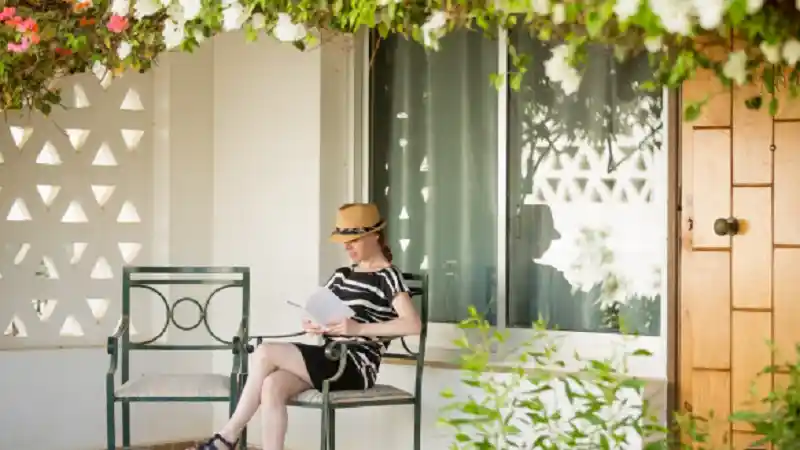
An outdoor living space can make a home more enjoyable by providing a place to relax, spend time with family, entertain guests, or enjoy fresh air. Even a small balcony, patio, backyard, or garden corner can become a welcoming retreat with the right planning.
Many homeowners assume that creating an attractive outdoor area requires expensive furniture, professional landscaping, and extensive construction. In reality, simple improvements can make a significant difference. Comfortable seating, suitable lighting, healthy plants, and thoughtful organization can transform an ordinary outdoor space into a useful extension of the home.
The key is to understand the available space and choose improvements that match your lifestyle, budget, and maintenance preferences.
Start by Understanding Your Outdoor Space
Before buying furniture or plants, examine the area you want to improve. Consider its size, sunlight, drainage, privacy, and exposure to weather. These details can help you choose suitable materials and avoid unnecessary purchases.
A small balcony may work best with folding chairs, compact planters, and a narrow table. A larger backyard may provide enough room for a dining area, a comfortable seating corner, and a small garden.
Think about how you want to use the space. If you enjoy morning coffee outdoors, a small seating area near the house may be sufficient. If you regularly invite friends and family, you may need additional seating and a larger table.
Make a simple sketch showing where the main features could go. Leave enough room to walk comfortably between furniture, plants, and entrances. A clear layout helps prevent the area from feeling crowded.
Choose Comfortable and Weather Resistant Furniture
Outdoor furniture should be comfortable, practical, and suitable for local weather conditions. Materials that perform well in a covered patio may not be the best choice for an area exposed to heavy rain or strong sunlight.
Before purchasing furniture, check whether it is designed for outdoor use. Weather resistant metal, treated wood, and suitable synthetic materials can be practical options depending on the climate and maintenance requirements.
For a limited budget, begin with a few essential pieces rather than furnishing the entire area at once. Two comfortable chairs and a small table can create a useful seating corner without taking up too much room.
Outdoor cushions can introduce color and improve comfort. Choose fabrics designed for outdoor conditions, and store cushions in a dry place when they are not in use for extended periods.
If storage space is limited, folding chairs and stackable furniture can make the area easier to manage.
Add Plants to Create a Natural Atmosphere
Plants can make an outdoor space feel fresh, colorful, and welcoming. They also provide an easy way to introduce different textures and heights without making major structural changes.
Start by identifying how much sunlight the area receives. Some plants need several hours of direct sunlight, while others grow better in partial shade. Choosing plants suited to the conditions can reduce maintenance and improve their chances of thriving.
Container gardening is especially useful for balconies, patios, and small yards. Pots can be moved when necessary, and different sizes allow you to arrange plants creatively.
Combine plants with different leaf shapes and heights to create visual interest. Flowering plants can add seasonal color, while herbs such as basil, mint, and rosemary may provide both decorative and practical benefits when grown in suitable conditions.
Make sure containers have appropriate drainage holes and use a growing medium suited to the plants. Check watering needs regularly, particularly during hot weather when containers may dry out quickly.
Use Outdoor Lighting to Improve the Atmosphere
Lighting can make an outdoor area more inviting after sunset. It can also improve visibility around steps, pathways, entrances, and seating areas.
Solar garden lights may be useful in locations that receive enough sunlight during the day. Outdoor wall lights can provide practical illumination near doors, while suitable string lights can create a relaxed atmosphere around a covered seating area.
Avoid choosing lighting based only on appearance. Check whether the product is rated for its intended outdoor location and weather exposure. Electrical installations should follow local safety requirements, and permanent wiring should be handled by a qualified professional when necessary.
Use a combination of functional and decorative lighting rather than making every light equally bright. This creates a more comfortable environment and allows important areas to remain visible without overwhelming the space.
Create Privacy Without Closing Off the Area
Privacy can make an outdoor living space more relaxing, particularly in urban neighborhoods and apartment buildings. However, building a tall permanent barrier is not always necessary.
Outdoor screens, trellises, carefully placed planters, and suitable curtains can provide a sense of separation. Tall plants may also create a natural visual barrier when the growing conditions allow them to thrive.
Choose privacy solutions that suit the available space and local rules. Heavy structures should be installed securely, especially in windy locations or on balconies.
For small areas, avoid blocking every side. Maintaining some openness can help preserve natural light and airflow while still making the seating area feel more private.
For additional inspiration on connecting practical design with attractive outdoor spaces, explore these creative home and garden design ideas.
Make Small Outdoor Areas Feel Larger
A small outdoor space can still feel comfortable when it is arranged carefully. One useful strategy is to choose furniture that fits the proportions of the area.
Oversized chairs and large tables may reduce the space available for walking. Compact furniture, wall mounted planters, and narrow storage benches can provide useful features without occupying the entire floor.
Keep the color scheme relatively simple. A few coordinated colors can make the space feel more organized, while too many competing patterns may create a crowded appearance.
Use vertical space where appropriate. Hanging planters and wall mounted shelves can add greenery without using valuable floor area. However, make sure that any hanging items are securely installed and suitable for outdoor conditions.
Keeping pathways clear is equally important. A simple layout often feels more spacious than one filled with decorative objects.
Add a Practical Outdoor Dining Area
If you enjoy eating outside, even a small dining area can improve your outdoor living experience. Choose a table that accommodates your usual household needs without making the area difficult to navigate.
A compact round table can work well in some small spaces because it has no corners to navigate around. Folding tables can also be useful when you need additional space for other activities.
Consider shade before arranging the dining area. An umbrella, suitable awning, or existing covered section can make outdoor meals more comfortable during sunny weather.
Keep serving items and outdoor dining accessories organized in a nearby storage area. This reduces the effort required to prepare the space whenever you want to eat outside.
Maintain Your Outdoor Space Throughout the Year
Regular maintenance helps protect outdoor furniture, plants, and decorative features. The amount of work required depends on the materials you choose and the local climate.
Clean furniture according to the manufacturer’s instructions and inspect it periodically for damage. Remove fallen leaves from pathways and drainage areas to reduce the risk of slipping or water buildup.
Check plant containers for drainage problems and adjust watering as the weather changes. Replace damaged pots and remove dead plant material when necessary.
Before severe weather, secure lightweight furniture and bring vulnerable accessories indoors. Protective covers may help extend the life of suitable furniture when used correctly.
A short weekly cleaning routine can prevent small maintenance tasks from becoming larger problems.
Conclusion
Creating a beautiful outdoor living space is possible without spending a large amount of money. Careful planning, comfortable furniture, suitable plants, effective lighting, and practical privacy solutions can make even a small area more enjoyable.
Start with the features that matter most to you and improve the space gradually. Choose durable materials, consider local weather conditions, and keep maintenance requirements realistic.
Whether you have a balcony, patio, courtyard, or spacious backyard, a thoughtfully arranged outdoor area can provide a comfortable place to relax and enjoy everyday life. See More